
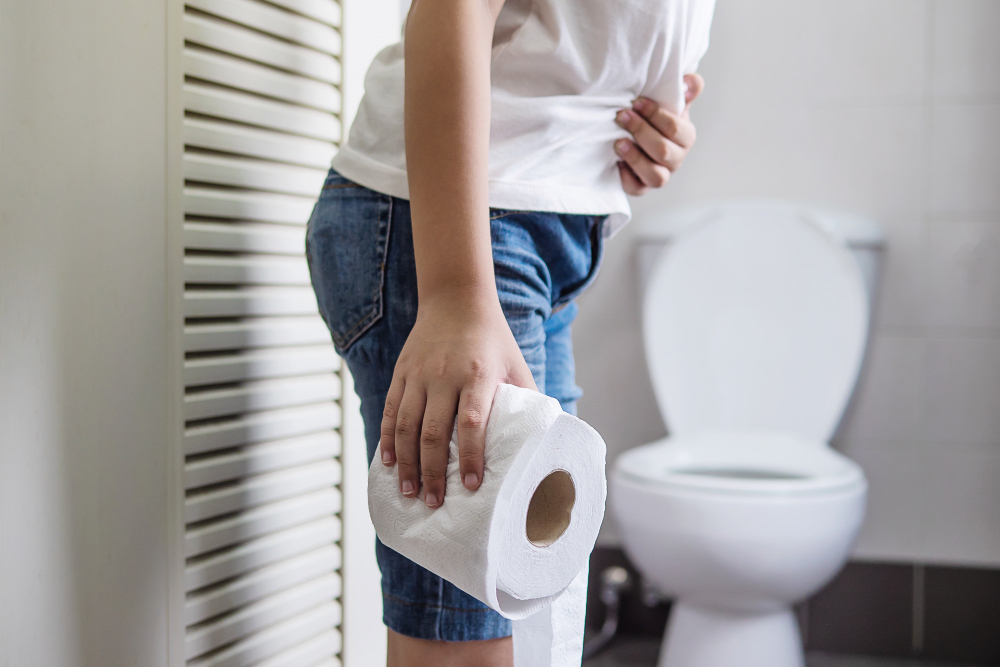
What is Constipation?
Constipation is a common problem that affects people of all ages. It means having fewer bowel movements than usual or passing hard, dry stools. Often, constipation can make you feel uncomfortable or bloated. For most people, having less than three bowel movements a week is a sign of constipation. According to the World Health Organization, constipation is one of the most frequent digestive issues worldwide. Because it can affect your daily life, it is important to know how to find constipation relief and prevent it from coming back.
Common Symptoms of Constipation
Many people notice signs of constipation before it becomes a bigger problem. Some common symptoms include:
Sometimes, you may also feel tired or lose your appetite. If these signs of constipation last for several weeks, it may be chronic constipation.
Causes of Constipation
There are many reasons why constipation happens. For example, changes in your diet or daily routine can slow down your bowels. Here are some common causes:
In some cases, chronic constipation causes may include problems with the muscles or nerves in your colon. However, most people can find relief by making simple changes.
How is Constipation Diagnosed?
Doctors use several ways to diagnose constipation. First, they will ask about your symptoms and medical history. Next, they may do a physical exam. Sometimes, your doctor might order tests to check for other problems. For example, you may need:
Usually, most cases of constipation do not need special tests. But if your symptoms are severe or last a long time, your doctor will look for other causes.
Treatment Options for Constipation
There are many ways to get constipation relief. Often, simple changes can help you feel better. Here are some common treatments:
Sometimes, your doctor may suggest prescription medicines if other treatments do not work. However, do not use laxatives for a long time without medical advice. For many people, learning how to relieve constipation naturally is the best first step.
Lifestyle Tips for Relief and Prevention
Making small changes in your daily life can help prevent constipation. For instance, you can:
Additionally, try to manage stress and avoid holding in your stool. If you live in a hot climate, remember to drink extra water to stay hydrated. These tips can help you avoid future problems and keep your bowels healthy.
When to See a Doctor
Most cases of constipation are mild and go away with simple changes. However, you should see a doctor if you:
In these cases, a doctor can check for serious problems and suggest the right treatment. Early care can prevent complications and help you feel better sooner.
If you experience ongoing constipation, consult a gastroenterologist for personalized advice.