
Introduction
Gall stones are a common health problem that can cause pain and discomfort. These small, hard stones form in the gallbladder. The gallbladder is a small organ under your liver. Many people have gall stones and do not know it. However, some people may develop symptoms that need medical care. In this blog, you will learn about gall stone symptoms, causes, diagnosis, treatment, and ways to prevent gall stones.
What Are Gall Stones?
Gall stones are solid pieces that form in the gallbladder. They can be as small as a grain of sand or as large as a golf ball. Sometimes, you may have one large stone or many small ones. Gall stones can block the normal flow of bile, a fluid that helps digest fat. When this happens, you may feel pain or get other symptoms.
Symptoms
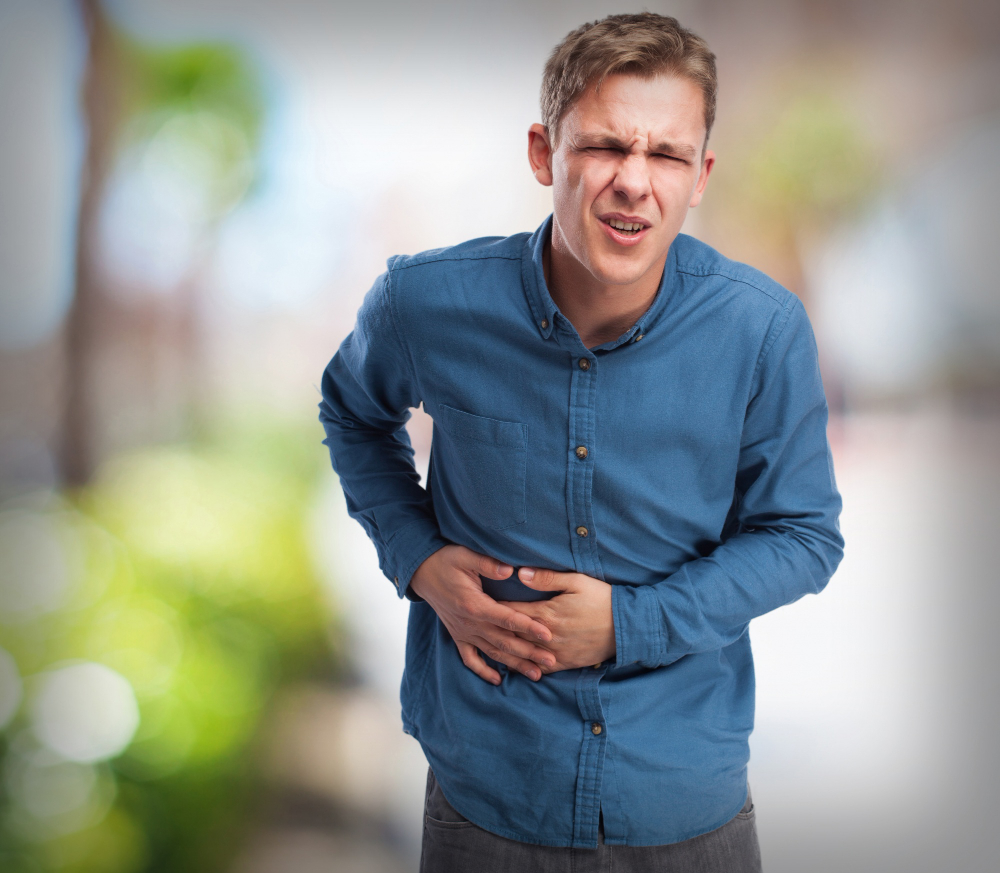
Many people with gall stones do not have symptoms. But when a stone blocks a bile duct, you may notice signs. For example, you might feel sudden pain in your upper right belly. This pain can last from a few minutes to several hours. Other gall stone symptoms include:
If you have these symptoms, you should see a doctor soon. Early treatment can help prevent serious problems.
Causes and Risk Factors
Gall stones form when the balance of substances in bile changes. For instance, too much cholesterol or bilirubin can cause stones. Several factors increase your risk of getting gall stones. These include:
According to the CDC, women are more likely than men to develop gall stones. However, anyone can get them.
Diagnosis
Doctors use several tests to find out if you have gall stones. First, your doctor will ask about your symptoms and health history. Then, they may order tests such as:
Early diagnosis is important. It helps prevent complications like infection or damage to the gallbladder.
Treatment Options
Treatment for gall stones depends on your symptoms and health. If you have no symptoms, you may not need treatment. But if you have pain or other problems, your doctor may suggest:
According to the National Institutes of Health, surgery is safe and effective for most people with gall stones.
Prevention Tips
While you cannot prevent all cases, you can lower your risk of gall stones. Here are some tips:
These steps can help in preventing gall stones and support your overall health.
When to See a Doctor
If you have sudden or severe pain in your upper right belly, seek medical help right away. Also, see a doctor if you have yellow skin or eyes, fever, or vomiting. These could be signs of a serious problem, such as an infection or blocked bile duct. Early treatment can prevent complications.
In summary, gall stones are common but treatable. If you have symptoms or concerns, consult your healthcare provider for advice tailored to your needs.