
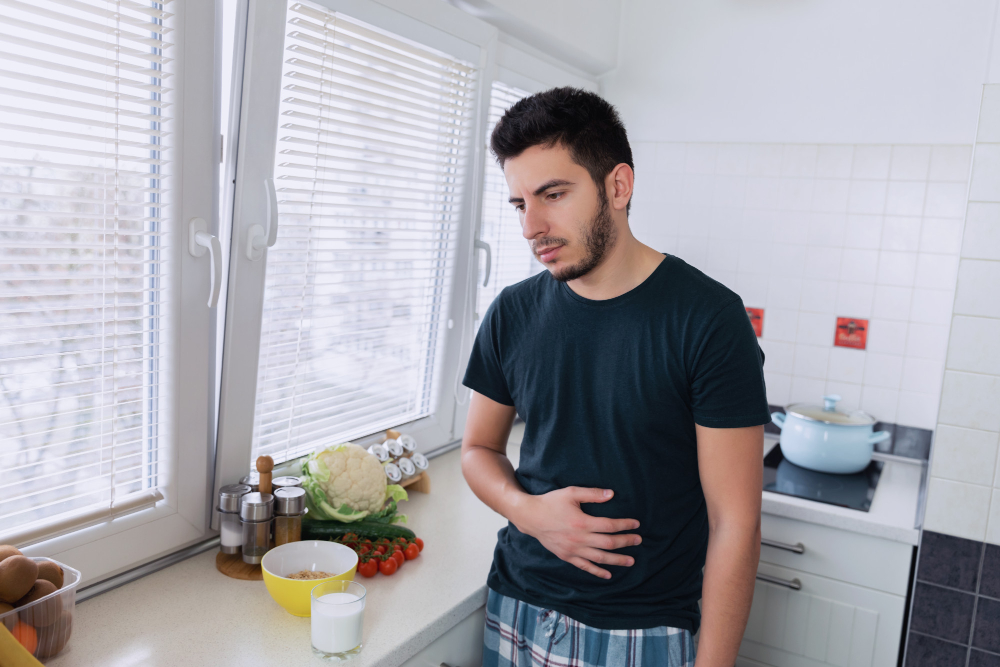
What Is Gastroesophageal Reflux Disease (Acid Reflux)?
Gastroesophageal reflux disease, also called GERD or acid reflux, happens when stomach acid flows back into the food pipe. This backflow can cause heartburn, chest pain, and a sour taste in the mouth. For many people, these symptoms are mild. However, for others, acid reflux can disrupt daily life. Because GERD is common, it is important to know how lifestyle modifications for managing gastroesophageal reflux disease (acid reflux) can help.
Why Lifestyle Changes Matter in GERD Management
Many people ask how to prevent GERD symptoms without medicine. While medications can help, lifestyle changes often make a big difference. For example, small changes in daily habits can reduce acid reflux and improve comfort. According to the Centers for Disease Control and Prevention (CDC), healthy habits can lower the risk of GERD complications. Therefore, making the right choices each day is key for long-term relief.
Effective Lifestyle Modifications for Acid Reflux
Simple changes can help manage acid reflux at home. Below are some proven tips and acid reflux home remedies:
In addition, keeping a food diary can help you spot which foods trigger your symptoms. This way, you can avoid them more easily.
Benefits of Lifestyle Modifications
Making these changes can bring many benefits. First, you may notice fewer episodes of heartburn. Also, you might sleep better and feel more comfortable during the day. Over time, these habits can lower your risk of serious problems, such as damage to your food pipe. According to the World Health Organization (WHO), healthy lifestyle choices support better digestion and overall well-being. For many people, these steps are the best way to control acid reflux naturally.
When to Seek Medical Advice
Sometimes, lifestyle changes are not enough. If you have severe or frequent symptoms, see a doctor. For example, if you have trouble swallowing, chest pain, or unexplained weight loss, seek help right away. Also, if acid reflux wakes you up at night or does not improve with home remedies, a gastroenterologist can help. Early treatment can prevent long-term problems.
In summary, lifestyle modifications for managing gastroesophageal reflux disease (acid reflux) can make a big difference. However, always consult a gastroenterologist for personalized advice on managing acid reflux.