
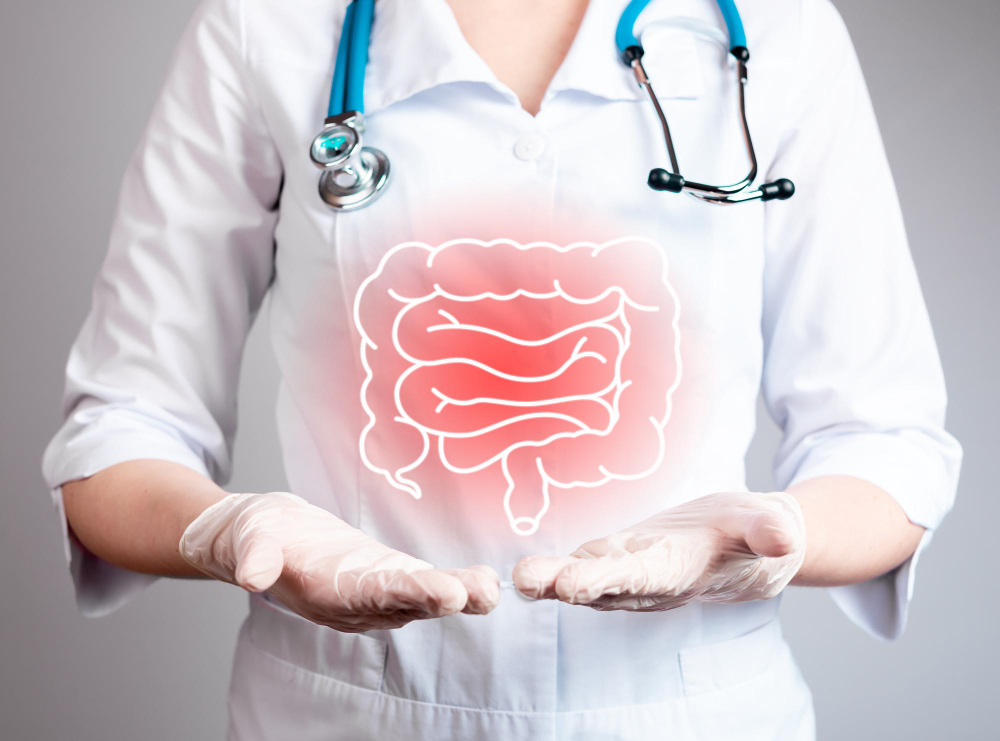
What is IBD?
IBD stands for inflammatory bowel disease. It is a group of conditions that cause swelling in the digestive tract. The two main types are Crohn’s disease and ulcerative colitis. Both can lead to long-term problems. However, with the right care, many people manage IBD well. IBD is not the same as irritable bowel syndrome (IBS), which is less serious. According to the CDC, IBD affects millions of people worldwide.
Common Symptoms of IBD
IBD symptoms can vary from person to person. Some people have mild signs, while others may have severe problems. Early detection helps in better management. Common IBD symptoms include:
Sometimes, people also have joint pain, skin rashes, or eye problems. If you notice these signs, it is important to see a doctor soon. Early treatment can prevent complications.
Causes and Risk Factors
Doctors do not know the exact cause of IBD. However, several factors may increase the risk. First, genetics play a role. If a family member has IBD, your risk is higher. Second, the immune system may react too strongly to normal bacteria in the gut. This can cause swelling and damage. Third, environmental factors like diet, smoking, and stress can make symptoms worse. Although anyone can get IBD, it is more common in people under 35. Both men and women are affected equally.
How IBD is Diagnosed
Doctors use several tests to diagnose IBD. First, they ask about your symptoms and medical history. Then, they may order blood tests to check for signs of swelling or anemia. Stool tests can help rule out infections. Next, doctors often use imaging tests like CT scans or MRIs to look at the digestive tract. Finally, a colonoscopy lets doctors see inside the colon and take small tissue samples. These steps help confirm the diagnosis and rule out other problems.
Treatment Options for IBD
There are many IBD treatment options. The goal is to reduce swelling, control symptoms, and prevent flare-ups. Treatment plans depend on the type and severity of IBD. Common treatments include:
In some cases, surgery may be needed to remove damaged parts of the digestive tract. However, most people manage IBD with medicine and lifestyle changes.
Lifestyle Tips and Daily Management
Managing IBD goes beyond medicine. Simple lifestyle changes can help control symptoms. For example, eating smaller meals more often can ease stomach pain. It is also helpful to avoid foods that trigger symptoms, such as spicy or fatty foods. Staying hydrated is important, especially during flare-ups. In addition, regular exercise can boost energy and mood. Stress management techniques, like deep breathing or yoga, may also help. Keeping a symptom diary can help you and your doctor track what works best.
Prevention and Long-Term Outlook
While there is no sure way to prevent IBD, some steps may lower your risk. For instance, not smoking can reduce flare-ups, especially in Crohn’s disease. Eating a balanced diet and staying active support gut health. Regular check-ups help catch problems early. With proper care, many people with IBD lead full, active lives. Although IBD is a long-term condition, new treatments continue to improve the outlook for patients.
For personalized advice on IBD management, consult a gastroenterologist. Early care and the right plan can make a big difference in your quality of life.