
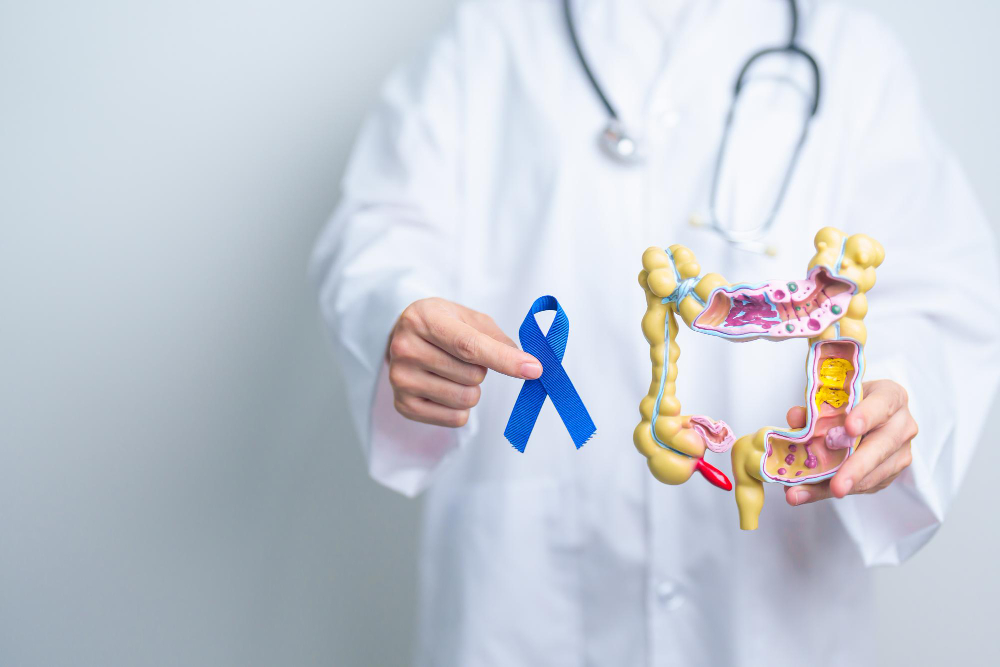
What is Colon Cancer?
Colon cancer is a disease that starts in the large intestine, also called the colon. This type of cancer often begins as small growths called polyps. Over time, some polyps can turn into cancer. Early detection of colon cancer can save lives. According to the CDC, colon cancer is one of the most common cancers worldwide. However, many people can recover if it is found early.
Symptoms of Colon Cancer
Many people do not notice symptoms in the early stages. But as colon cancer grows, signs may appear. For example, you should watch for these symptoms:
Because these symptoms can also be caused by other conditions, it is important to talk to your doctor if you notice them.
Causes and Risk Factors
Doctors do not know the exact cause of colon cancer. Still, several risk factors can increase your chances. For instance, you may be at higher risk if you:
Even though you cannot change some risk factors, you can lower your risk by making healthy choices.
Diagnosis of Colon Cancer
Doctors use several tests to find out if you have colon cancer. Early diagnosis is key. Here are common ways colon cancer is diagnosed:
If you are over 45 or have risk factors, regular screening is important. In some areas, local clinics offer free or low-cost screening programs.
Treatment Options
Colon cancer treatment options depend on the stage and your health. Your doctor will explain the best plan for you. Common treatments include:
Sometimes, doctors use more than one treatment. For example, you may have chemotherapy after surgery to lower the chance of cancer coming back.
Prevention Tips
Although you cannot prevent all cases, you can lower your risk of colon cancer. Try these tips:
Because early detection saves lives, talk to your doctor about when to start screening. In some cities, special programs help people get tested early.
When to See a Doctor
If you notice any colon cancer symptoms, do not wait. For example, if you see blood in your stool or have ongoing stomach pain, call your doctor. Early action can make a big difference. Even if you feel healthy, regular check-ups are important, especially if you have risk factors.
In summary, knowing the signs and getting regular screening can help prevent colon cancer or catch it early. Consult a healthcare specialist for personalized advice on colon cancer prevention and treatment.