
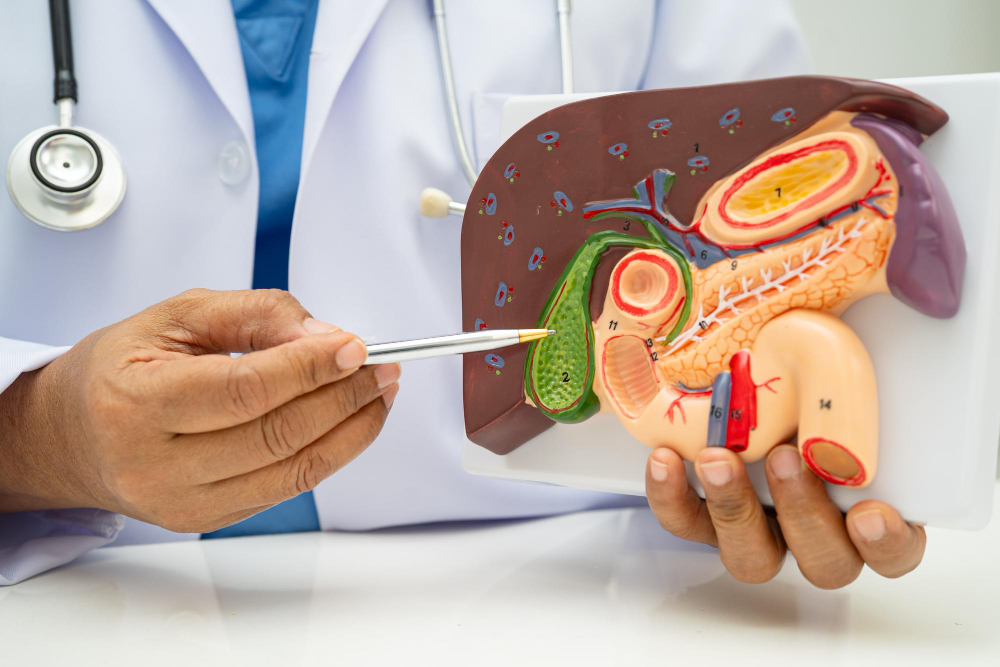
What Are Gallbladder Polyps?
Gallbladder polyps are small growths that form on the inside lining of the gallbladder. Most of the time, these polyps are not cancerous. In fact, many people do not even know they have them. However, some polyps can grow larger and may need closer attention. Gallbladder polyps are often found during tests for other health issues. Because they are usually harmless, doctors often watch them over time. Still, it is important to know about gallbladder polyps symptoms and risks.
What Are Gallstones?
Gallstones are hard, stone-like pieces that form in the gallbladder. They develop when certain substances in bile, like cholesterol, clump together. Unlike polyps, gallstones can block the flow of bile. This blockage can cause pain and other problems. Gallstones are much more common than gallbladder polyps. In the United States, millions of people have gallstones, but not all have symptoms.
Symptoms: Gallbladder Polyps vs. Gallstones
Most gallbladder polyps do not cause symptoms. Often, people discover them by accident during an ultrasound. On the other hand, gallstones can cause clear signs. For example, you may feel pain in the upper right belly, especially after eating fatty foods. Sometimes, both conditions can cause similar symptoms, but this is rare for polyps.
Causes and Risk Factors
Both gallbladder polyps and gallstones have different causes. For polyps, the exact reason is often unknown. However, some factors can raise your risk. For gallstones, diet and body weight play a big role. Let’s look at the main risk factors for each:
While both conditions share some risk factors, gallstones are more closely linked to diet and weight.
Diagnosis: How Are They Detected?
Doctors often find gallbladder polyps and gallstones during imaging tests. For example, an ultrasound is the most common way to see both. Sometimes, a CT scan or MRI may be used. If you have symptoms, your doctor may order blood tests to check for infection or other problems. Early detection helps guide treatment and keeps your gallbladder health in check.
Are Gallbladder Polyps as Dangerous as Gallstones?
Many people wonder, “Are gallbladder polyps dangerous?” In most cases, they are not. Most polyps are small and do not turn into cancer. However, polyps larger than 1 centimeter may have a higher risk. In contrast, gallstones can cause sudden pain, infection, or even block the bile duct. These problems can be serious and may need quick treatment. So, while both conditions need attention, gallstones are usually more dangerous in daily life.
Treatment Options
Treatment depends on the size and symptoms of each condition. For small gallbladder polyps, doctors often suggest regular check-ups. If a polyp is large or growing, surgery may be needed. For gallstones, treatment is based on symptoms. If you have pain or infection, your doctor may recommend removing the gallbladder. Sometimes, medicine can help dissolve small stones, but this is rare.
Prevention and Lifestyle Tips
Although you cannot always prevent gallbladder polyps, you can lower your risk for gallstones. Simple lifestyle changes can help keep your gallbladder healthy. For example, eating a balanced diet and staying active are key steps. Here are some tips:
These habits support overall gallbladder health and may lower your risk of problems.
When to See a Doctor
If you have sudden or severe pain in your upper right belly, see a doctor right away. Also, if you notice yellowing of your skin or eyes, seek help. Even if you do not have symptoms, regular check-ups are important if you know you have gallbladder polyps or gallstones. Early care can prevent serious issues.
For personalized advice about gallbladder polyps or gallstones, consult a gastroenterologist. Your doctor can guide you on the best steps for your health.