
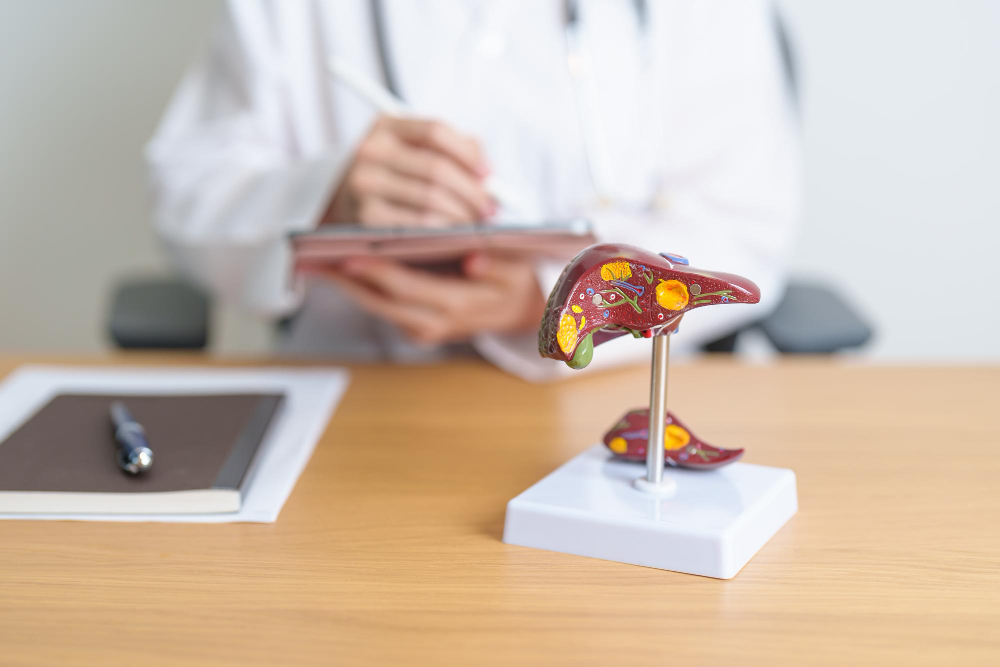
Gall bladder cancer is a rare but serious disease. It starts in the gall bladder, a small organ under your liver. Although it is not common, gall bladder cancer can be hard to detect early. Because of this, knowing the signs and risk factors is important. Early detection of gall bladder cancer can help improve treatment outcomes. In this blog, you will learn about gall bladder cancer symptoms, causes, diagnosis, and treatment options.
What is Gall Bladder Cancer?
Gall bladder cancer happens when cells in the gall bladder grow out of control. The gall bladder stores bile, which helps digest fat. Most gall bladder cancers are called adenocarcinomas. This means they start in the lining of the gall bladder. Although rare, this cancer can spread quickly if not found early. For this reason, understanding the disease is important for everyone.
Common Symptoms
Often, gall bladder cancer does not cause symptoms in the early stages. However, as the disease grows, you may notice changes. For example, you might feel pain or discomfort in your upper right belly. Other symptoms can include:
Because these signs can be caused by other problems, it is important to see a doctor if they last more than a few days.
Causes and Risk Factors
Doctors do not know the exact cause of gall bladder cancer. Still, certain factors can raise your risk. For instance, having gallstones is a common risk factor. Other risk factors include:
While you cannot change some risks, you can take steps to lower others. For example, maintaining a healthy weight may help reduce your risk.
How Gall Bladder Cancer is Diagnosed
Early detection of gall bladder cancer can be difficult. This is because symptoms often appear late. However, doctors use several tests to find the disease. These may include:
Sometimes, gall bladder cancer is found by accident during surgery for gallstones. If you have symptoms or risk factors, talk to your doctor about screening.
Treatment Options
Treatment for gall bladder cancer depends on the stage of the disease. In early stages, surgery to remove the gall bladder may be enough. However, if the cancer has spread, other treatments may be needed. These can include:
Your doctor will help choose the best gall bladder cancer treatment for you. In many cases, a team of specialists will work together on your care plan.
Prevention and Lifestyle Tips
Although you cannot prevent all cases, some steps may lower your risk. For example, you can:
Because early detection of gall bladder cancer is key, regular check-ups are important, especially if you have risk factors.
When to See a Doctor
If you notice symptoms like belly pain, jaundice, or unexplained weight loss, see your doctor soon. Early action can make a big difference. Even if your symptoms seem mild, it is better to get checked. Your doctor can guide you on the next steps and may suggest tests if needed.
In summary, gall bladder cancer is rare but serious. Knowing the symptoms and risk factors can help you take action early. For personalized advice about gall bladder cancer, consult a healthcare specialist.