
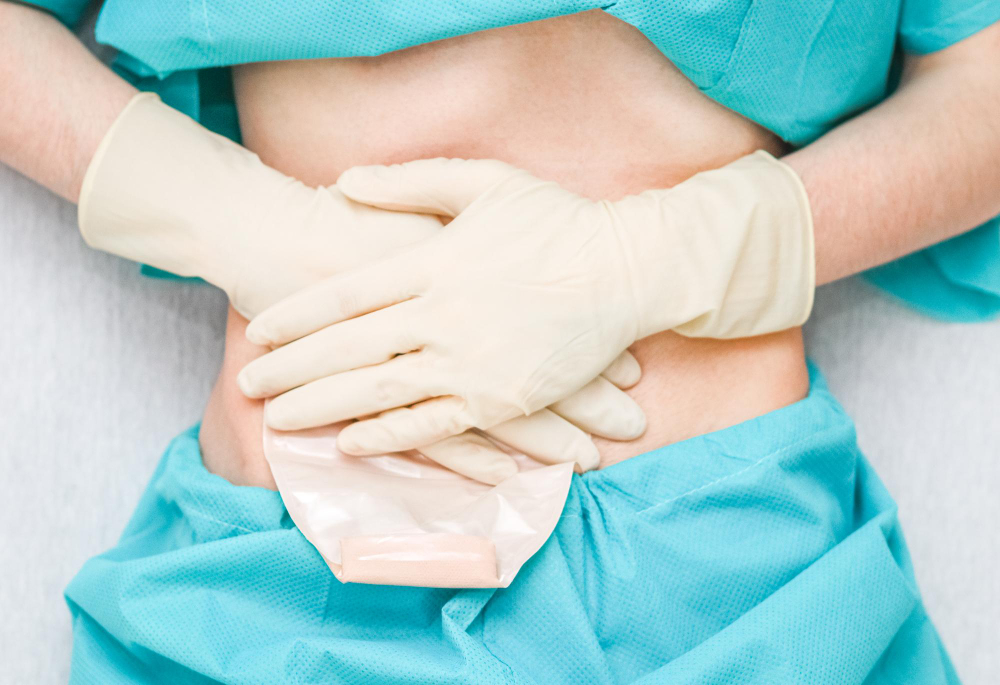
What are Ileostomy and Colostomy?
Ileostomy and colostomy are surgeries that help your body remove waste. In both, doctors create an opening, called a stoma, in your belly. This opening lets waste leave your body into a special bag. Usually, doctors suggest these procedures when your colon or rectum cannot work well. While both surgeries are similar, they use different parts of your bowel. An ileostomy uses the small intestine. On the other hand, a colostomy uses the large intestine. Because these surgeries can sound scary, learning more can help you feel prepared.
Symptoms and Indications for Surgery
Sometimes, certain symptoms show you might need an ileostomy or colostomy. For example, you may have:
Often, doctors suggest surgery when other treatments do not help. If you have these symptoms, it is important to talk to your doctor. Early care can make a big difference.
Causes and Common Conditions Leading to Ileostomy or Colostomy
Many health problems can lead to these surgeries. Some common causes include:
According to the CDC and WHO, these conditions may damage the bowel. As a result, removing waste the normal way becomes hard or unsafe.
Diagnosis and Preoperative Preparation
First, your doctor will ask about your symptoms and health history. Next, you may need tests like blood work, X-rays, or a colonoscopy. These tests help doctors find the cause of your problem. If surgery is needed, your care team will explain the steps. They may ask you to stop certain medicines. Sometimes, you will need to fast before surgery. Your doctor will also teach you about stoma care and what to expect after the operation. Good preparation can help you recover faster.
The Surgical Procedures: Ileostomy vs. Colostomy
During an ileostomy, the surgeon brings the end of your small intestine to the belly surface. Waste leaves your body through this new opening. In a colostomy, the surgeon uses part of your large intestine instead. Both surgeries can be temporary or permanent. The choice depends on your health and the reason for surgery. Usually, you will get general anesthesia, so you will not feel pain. After the surgery, you will have a stoma and a bag to collect waste.
Postoperative Care and Recovery
After surgery, you will stay in the hospital for a few days. Nurses will teach you how to care for your stoma. They will show you how to change the bag and keep the area clean. At first, you may feel tired or sore. However, most people start to feel better within a few weeks. It is important to watch for signs of infection, such as redness, swelling, or fever. If you notice these, call your doctor right away. Good care helps you heal faster and lowers the risk of problems.
Lifestyle Guidance: Diet, Hygiene, and Daily Activities
Living with a stoma may seem hard at first. However, many people return to normal life with some changes. Here are some helpful ileostomy care tips and colostomy recovery advice:
With time, you will learn what works best for you. Many people find support groups helpful. You are not alone in living with a stoma.
Prevention and Long-Term Outlook
While not all causes of ileostomy or colostomy can be prevented, healthy habits can help. For example, eat a balanced diet, exercise, and see your doctor for regular check-ups. If you have a chronic bowel disease, follow your treatment plan closely. Most people with a stoma live full, active lives. With good care, you can avoid most problems. According to medical experts, regular follow-up visits are important for long-term health.
If you have questions, consult a gastroenterologist for personalized advice on ileostomy or colostomy care.